 NewMusic
Discover Reggae
Explore reggae music, Jamaican roots, bass-heavy rhythms, influential artists and new releases across roots, dub and modern styles.






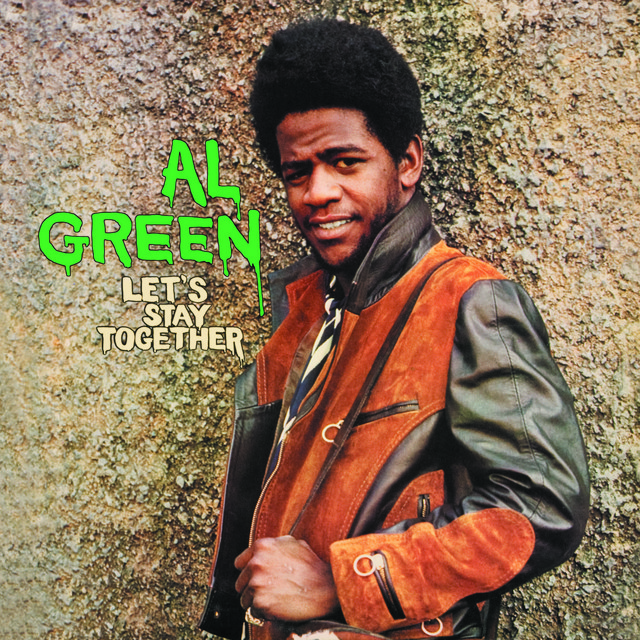

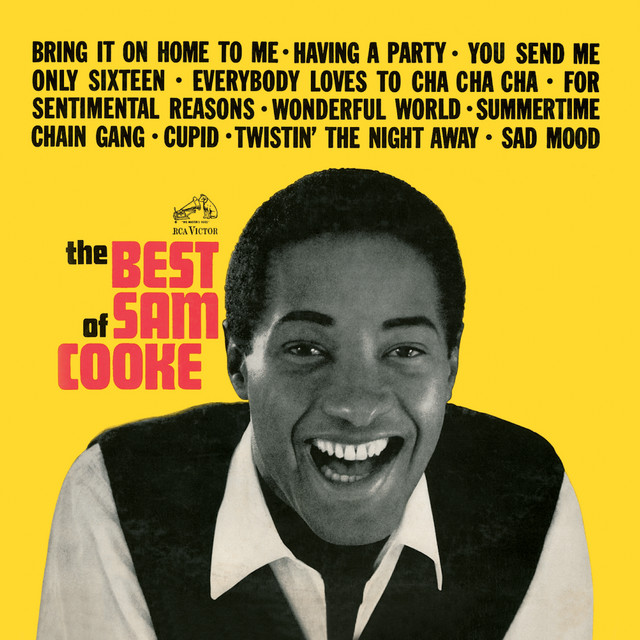

All 18 items loaded
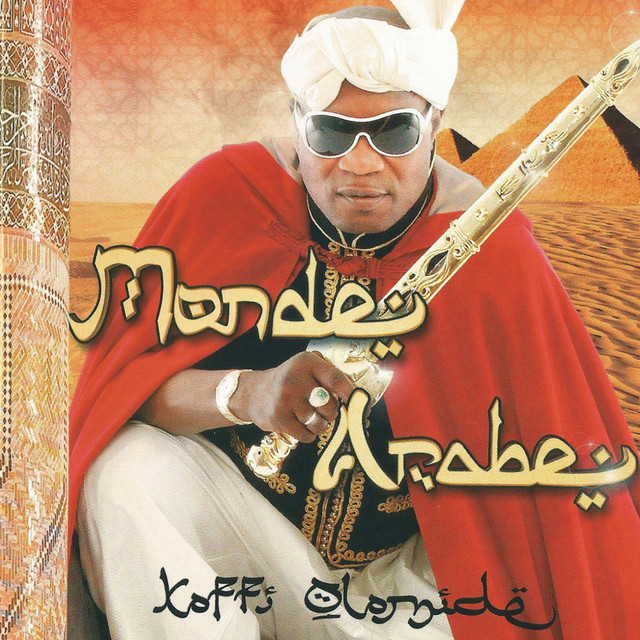
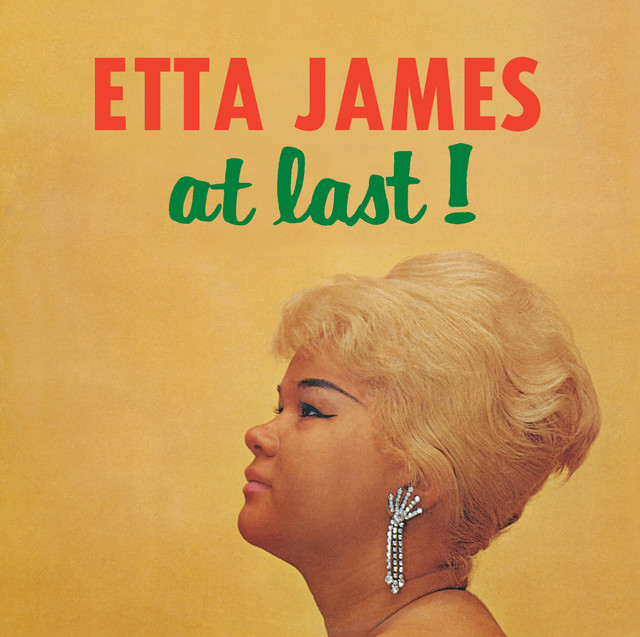








All 16 items loaded
No music is available in this tab.

All 1 items loaded
What is Reggae music?
Reggae is recognized by its spacious groove, prominent bass and distinctive offbeat rhythm. The music can feel relaxed while carrying deeply focused messages about community, spirituality, justice and daily life.
Origins
Reggae emerged in Jamaica in the late 1960s, developing from ska and rocksteady while drawing on mento, rhythm and blues and Rastafari culture.
The sound
Heavy bass lines, one-drop or steppers drum patterns, offbeat guitar and keyboard accents, vocal harmony and dub-informed studio effects shape the classic sound.
Culture and influence
Reggae became a global voice for Jamaican identity and social thought. Sound-system culture and dub production also helped shape punk, hip-hop and electronic music.
Key characteristics
- offbeat skank
- deep bass
- one-drop rhythm
- dub effects
- social messages
Explore related genres
About Reggae music
What defines Reggae music?
Heavy bass lines, one-drop or steppers drum patterns, offbeat guitar and keyboard accents, vocal harmony and dub-informed studio effects shape the classic sound.
Where did Reggae music come from?
Reggae emerged in Jamaica in the late 1960s, developing from ska and rocksteady while drawing on mento, rhythm and blues and Rastafari culture.
What should I listen for?
Listen for offbeat skank, deep bass, one-drop rhythm, dub effects, social messages. Reggae became a global voice for Jamaican identity and social thought. Sound-system culture and dub production also helped shape punk, hip-hop and electronic music.