 NewMusic

 TRACK
Sound
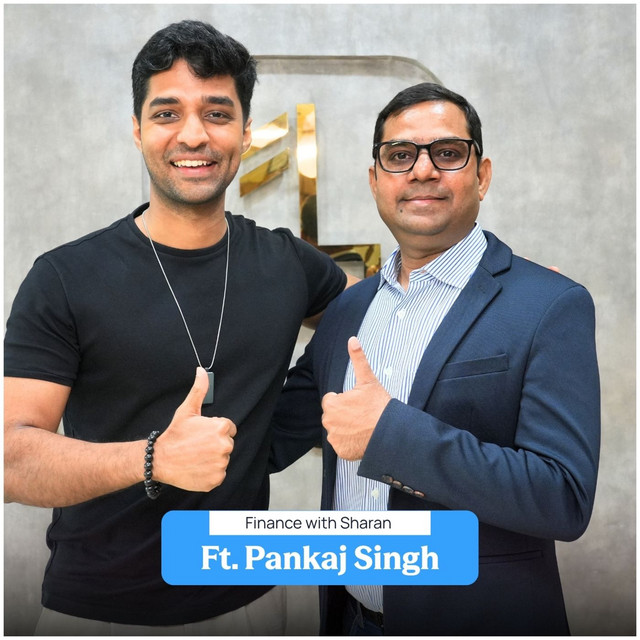
Can You Cut Your Wealth-Building Timeline in Half? Pankaj’s 2-2-2 Framework | Pankaj Singh | FWS
yonatan derese
1:00 duration0 plays0 favoritesMedium quality
Play now
About this track
Download 1% Club App Now!https://app.onepc.io/?c=fws-yt-swIn this episode of The 1% Club Show, Sharan Hegde sits down with Pankaj Singh, Founder and Principal Researcher at SmartWealth.ai and a SEBI-registered Research Analyst (INH200008644), to unpack how a rules-based quant portfolio is actually built and managed in India. Pankaj brings over 25 years of professional experience across three distinct careers: first as an automotive control systems engineer, then as a business strategist and consultant, and now as a quantitative researcher building model portfolios for retail investors. He is an engineer from Bangalore University and a finance MBA from the Indian School of Business, with earlier leadership roles at organizations including Bosch, EY and Microsoft. Since December 2021, his firm has served roughly 2,000 investors and tracks close to 100 crore rupees in assets.The core of the conversation is Pankaj's proprietary Diversified Momentum Investing framework, a four-layer system that decides where capital sits depending on what the market is doing. Layer one screens all 6,000 listed stocks through liquidity, volatility and momentum filters to arrive at a 30-stock portfolio. When fewer than 30 stocks qualify, the system rotates into sector ETFs, then into debt through gilt ETFs, and finally uses dynamic gold hedging to bring portfolio volatility down. Pankaj explains each filter in plain language, why illiquid stocks are a trap most retail investors underestimate, how momentum is measured over a 30 to 120 day window, and why there are periods when the system holds almost no direct equity at all.Beyond the mechanics, this is a candid discussion about risk, cost and expectations. Pankaj lays out his 2-2-2 aspiration framework covering return, drawdown control and time to financial independence, and argues that the biggest obstacle to compounding is not strategy or analytics but investor behavior and bias. Sharan pushes on the economics too, comparing a fixed research fee against a mutual fund expense ratio and
From the album
 Finance With Sharan24 tracks · Track 21
In a world where people think finance is boring, Sharan Hegde is on a mission to spread financial li...
→You may also like


