NewMusic

 TRACK
Sound
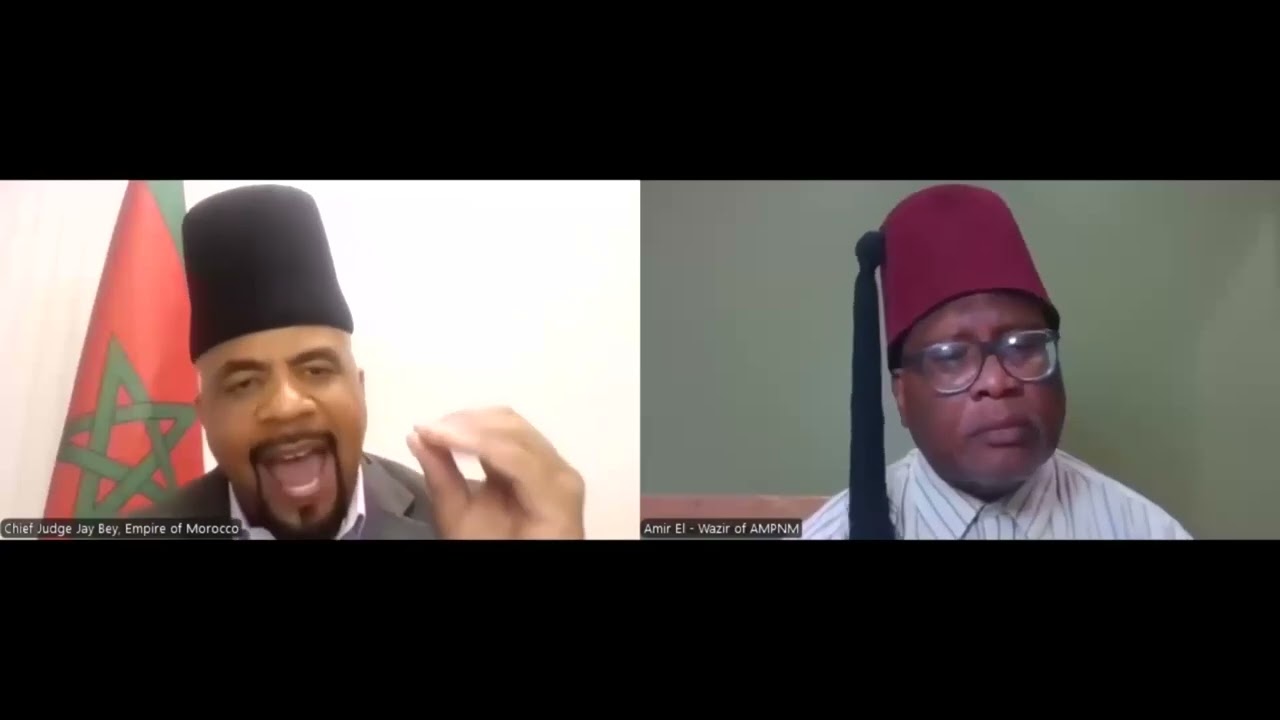
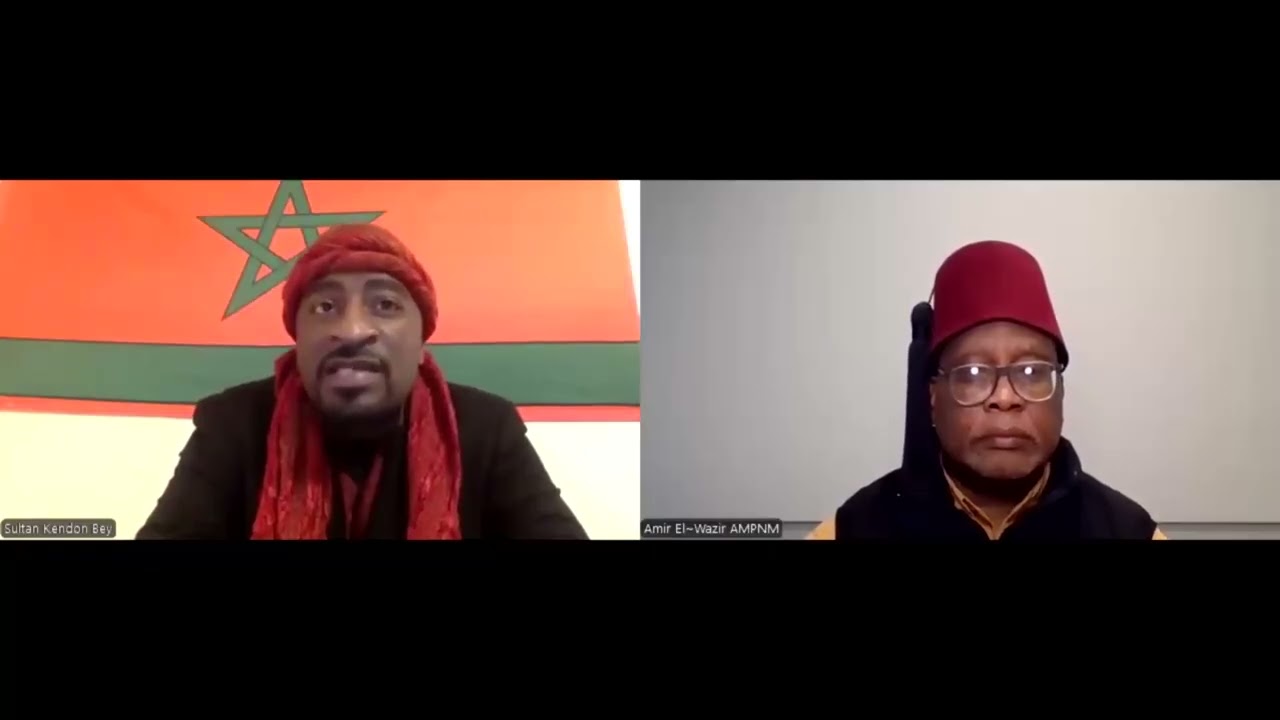
"How does slavery reparations change as the identity shifts to Moroccan? Chief Judge, Jay Bey Q&A"
Amed OTEGBEYE
8:21 duration0 plays0 favoritesMedium quality
Play now
About this track
America historically applied labels such as “Blackamoor,” which some argue obscured the true identity of certain groups who identify as Moroccan or Moorish descendants. The United States used misnomers that shaped how these communities understood legal terms such as “reparation,” which refers to making whole, compensating, and resolving a matter satisfactorily. The United States has not provided meaningful remedies for the harms experienced by Black-Americans, even while acknowledging the historical suffering connected to slavery and discrimination. Because these communities were not historically recognized as belonging to a sovereign nation under U.S. law, their legal standing was limited, affecting their ability to bring claims. This interpretation is sometimes connected to readings of the Dred Scott decision, which denied citizenship to people of African descent at that time. Reparations could only be pursued if individuals reestablish or repatriate to a recognized national identity, such as an asserted connection to the Empire of Morocco. Under this interpretation, a sovereign state—not individuals—would need to bring claims on behalf of its people. Contact information: eomgovpodcast@gmail.com
From the album
 Empire of Morocco Podcast20 tracks · Track 6
Many Moors argue that mis‑nomers such as “Negro,” “Black,” “African‑American,” and similar labels ca...
→You may also like