NewMusic
 TRACK
Sound
Microbiome - Explaining how your Gut affects your Mood
44:50 duration0 plays0 favoritesMedium quality
Play now
About this track
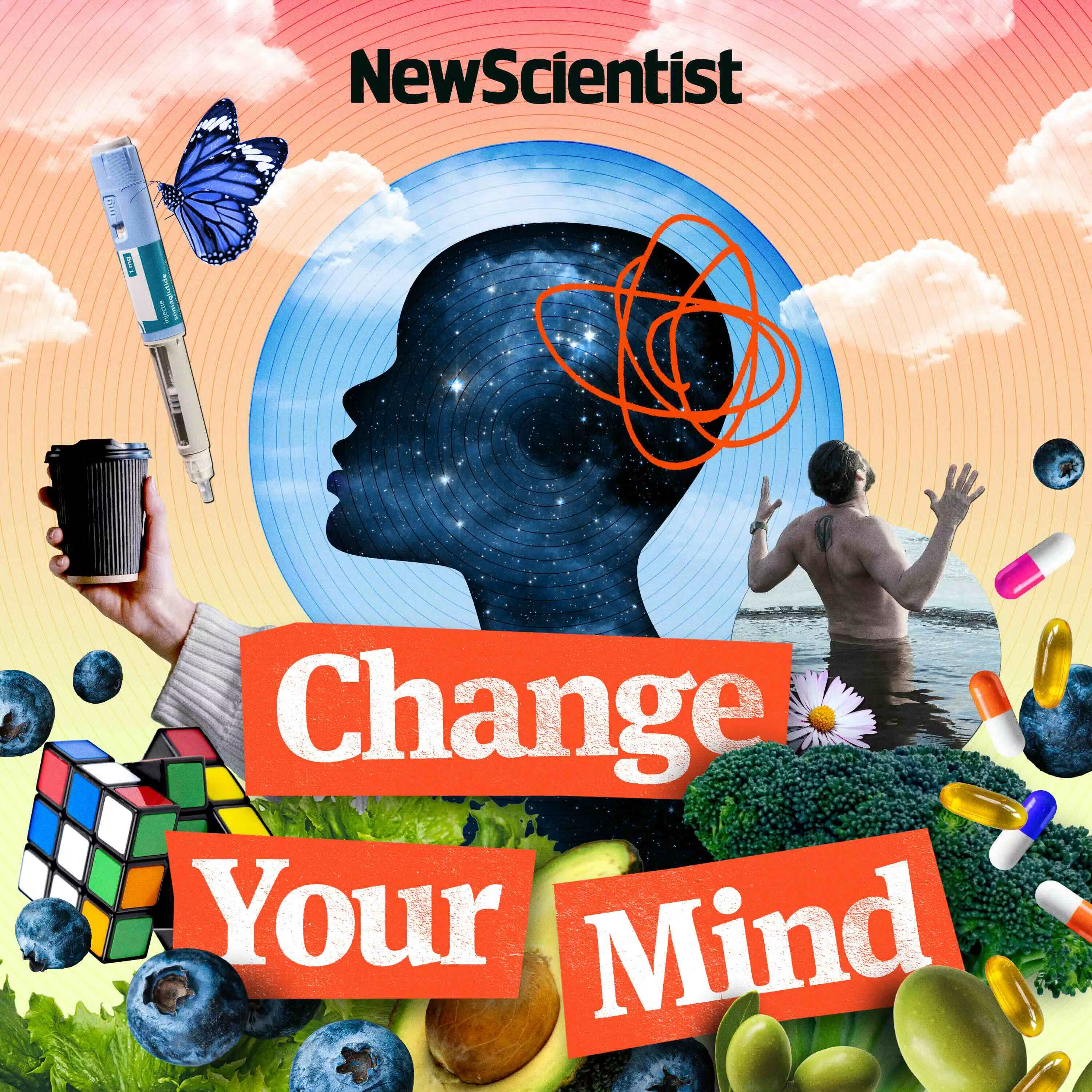
What if the key to a healthier brain isn't in your head at all? This week on Change Your Mind, Health Journalists Cat de Lange and Helen Thomson dive into the fascinating world of the gut microbiota, to ask whether the trillions of microbes living inside us could be influencing everything from our mood and stress levels to how we think and feel. With microbiome testing kits, probiotics and gut-health products booming in popularity, how much of the hype is backed by science? Can changing what you eat really alter your mental health? And do fermented foods, fibre supplements and expensive gut tests actually deliver on their promises? To separate fact from fiction, we speak to one of the world's leading microbiome researchers, Professor Ted Dinan, to find out what decades of research reveal about the gut-brain connection. Produced by Emily Bird We want to hear your thoughts, leave a comment or send in your ideas for future episodes to changeyourmind@newscientist.com Find out more about the microbiome at New Scientist: https://www.newscientist.com/article-topic/microbiome/ Learn more about our sponsor Alzheimer’s Society: https://www.newscientist.com/alzheimers-society/ Sources: https://www.factmr.com/report/gut-microbiome-testing-kit-market https://mybioma.com/en/pages/analysis https://pmc.ncbi.nlm.nih.gov/articles/PMC5501039/ https://pubmed.ncbi.nlm.nih.gov/23910373/ https://pubmed.ncbi.nlm.nih.gov/21876150/ https://www.newscientist.com/article/2502203-the-gut-microbiome-may-play-a-role-in-shaping-our-personality/ https://www.nature.com/articles/s41467-022-33609-xhttps://pubmed.ncbi.nlm.nih.gov/28661940/
From the album
Change Your Mind with New Scientist20 tracks · Track 6Change Your Mind from New Scientist brings you the brain health advice you really need to know. Ever...
→More By New Scientist...
You may also like