NewMusic

 TRACK
Sound
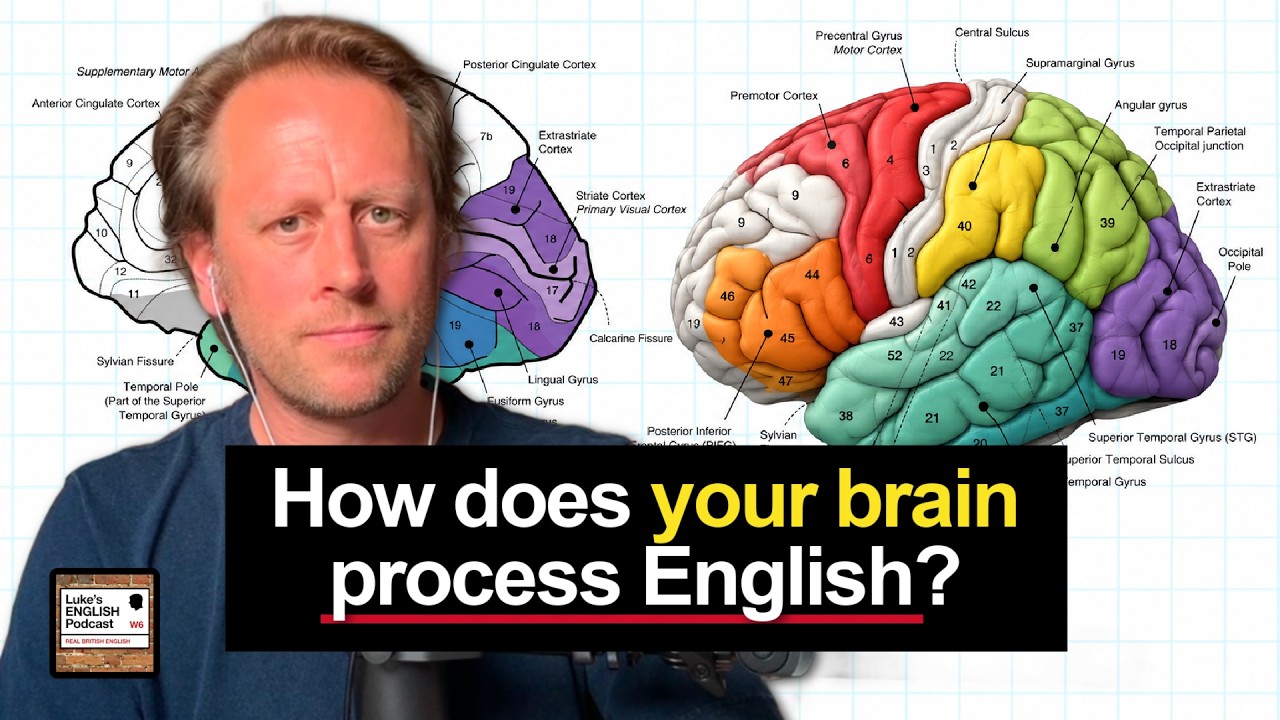
Neuroscience & Learning English 🧠 11 Surprising Facts [1002]
jaffanyi.ja
1:28:16 duration0 plays0 favoritesMedium quality
Play now
About this track
This episode is full of fascinating science-backed insights into how the brain processes language. I read an article, and then explain various conclusions about the best way to learn English, with a lot of practical tips for speaking, listening, grammar and vocabulary. What does neuroscience tell us about the best way to learn a language? Episode page 👉 https://teacherluke.co.uk/2026/09/14/neuroscience-learning-english-🧠-11-surprising-facts-1002/ Get the PDF 👉 https://teacherluke.co.uk/wp-content/uploads/2026/09/Neuroscience-Learning-English-11-Surprising-Facts-1002.pdf LEP Premium 👉 https://teacherluke.co.uk/premium 0:00:00 Introduction 0:02:41 Gianfranco Conti PhD (article author) 0:05:59 Reading the article 0:31:52 1. Language is processed by the whole brain 0:35:44 2. Grammar and vocabulary in procedural and declarative memory 0:47:29 3. Complex grammar requires more brain power 0:49:41 4. Listening and speaking share the same brain circuits 0:51:38 5. Formulaic chunks create fluency 0:55:00 6. The bilingual brain activates both languages 0:57:58 7. Learning English physically reshapes the brain 1:00:57 8. The brain predicts upcoming language 1:05:13 9. Inner speech is real speech practice 1:12:33 10. Emotion improves memory 1:13:33 11. L2 (English) processing becomes automatic over time 1:16:04 Overall: The most efficient English learning combines various things 1:17:52 My pledge to you, my listeners
From the album
 Luke's ENGLISH Podcast - Learn British English with Luke Thompson73 tracks · Track 66
An award-winning podcast for learners of English, since 2009. 👉 More information about Luke's Englis...
→You may also like