NewMusic
 TRACK
Sound
The Galleon Trade: Silver, Spices, and the Making of Colonial Philippines — Fexingo History
6:13 duration0 plays0 favoritesMedium quality
Play now
About this track
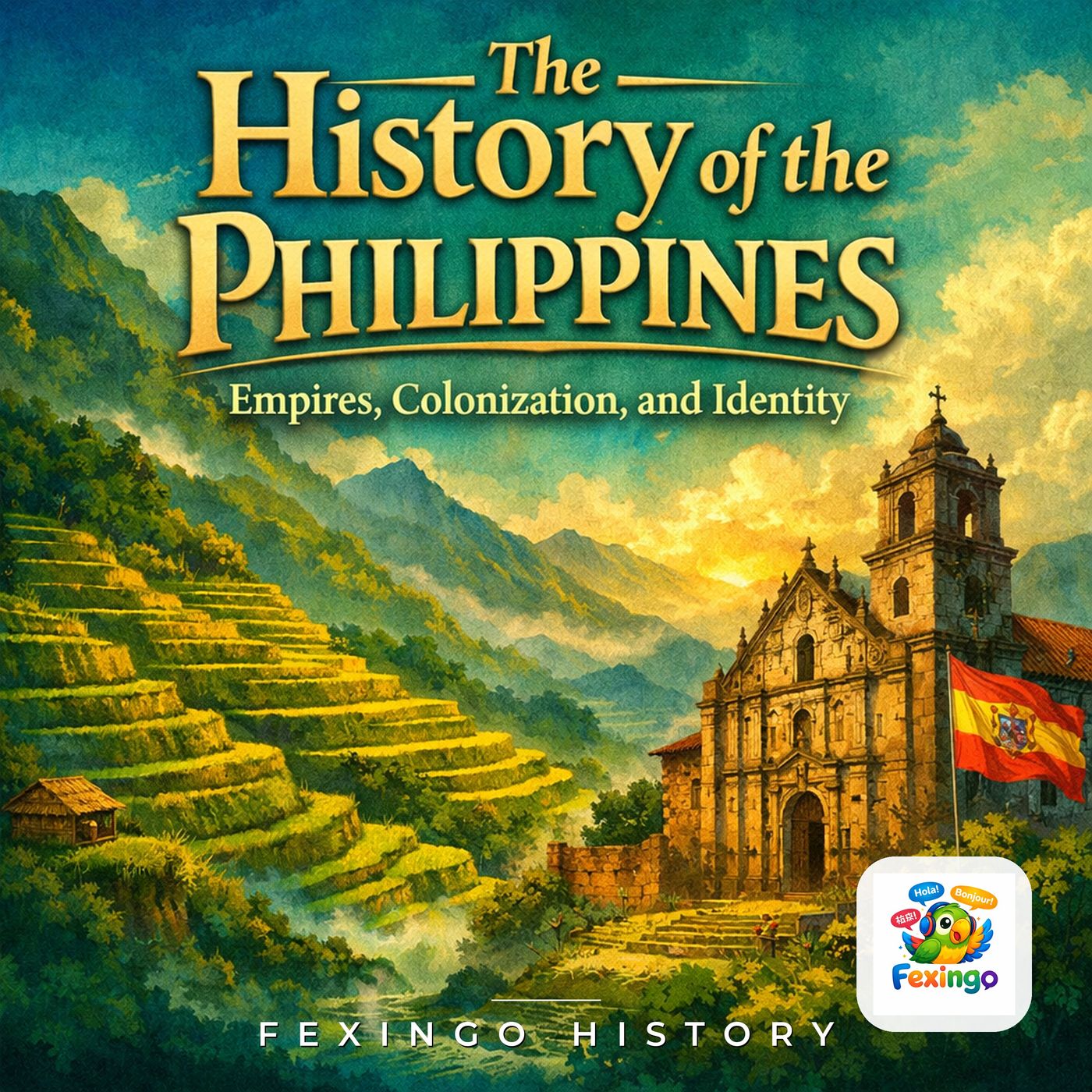
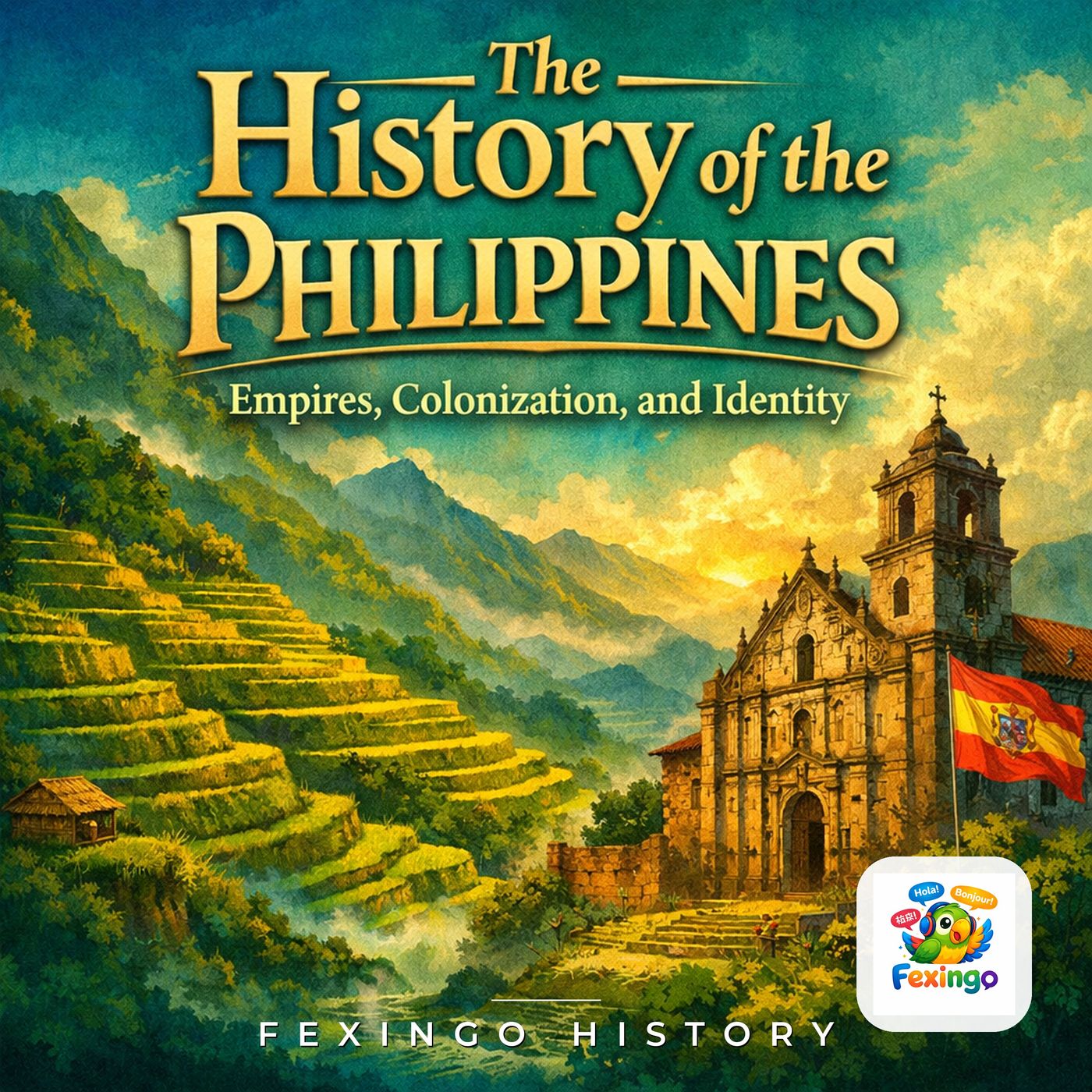
For two and a half centuries, the Manila Galleon was the economic lifeline of the Spanish Philippines. Once a year, a massive ship loaded with Chinese silks, porcelains, and spices crossed the Pacific to Acapulco, returning with Mexican silver that flooded Asian markets. This trade connected Manila to a global network stretching from Mexico to China, India, and Europe. In this episode, Lucas and Luna explore the galleons' route, the brutal conditions sailors endured, the monopolistic control of Spanish merchants, and how this trade shaped Philippine society — creating a wealthy mestizo elite, fueling the Spanish colonial project, and linking the islands to the world economy long before globalization became a buzzword. They discuss key ports like Cavite and Acapulco, the role of Chinese junks in Manila, and the eventual decline of the galleons as reforms opened the Philippines to direct trade with Spain. Discover how the silver-laden ships forged a unique colonial identity and left a lasting legacy on the archipelago.#ManilaGalleon #PhilippineHistory #ColonialTrade #Silver #Acapulco #Cavite #ChineseMerchants #SpanishColony #PacificTrade #GalleonTrade #EconomicHistory #Mestizo #Globalization #Seafaring #History #FexingoHistory #SoutheastAsia #MaritimeHistory #Philippines #BanaueRiceTerracesBecome a supporter of this podcast: https://www.spreaker.com/podcast/the-history-of-the-philippines-empires-colonization-and-identity-fexingo-history--6985184/support.
From the album
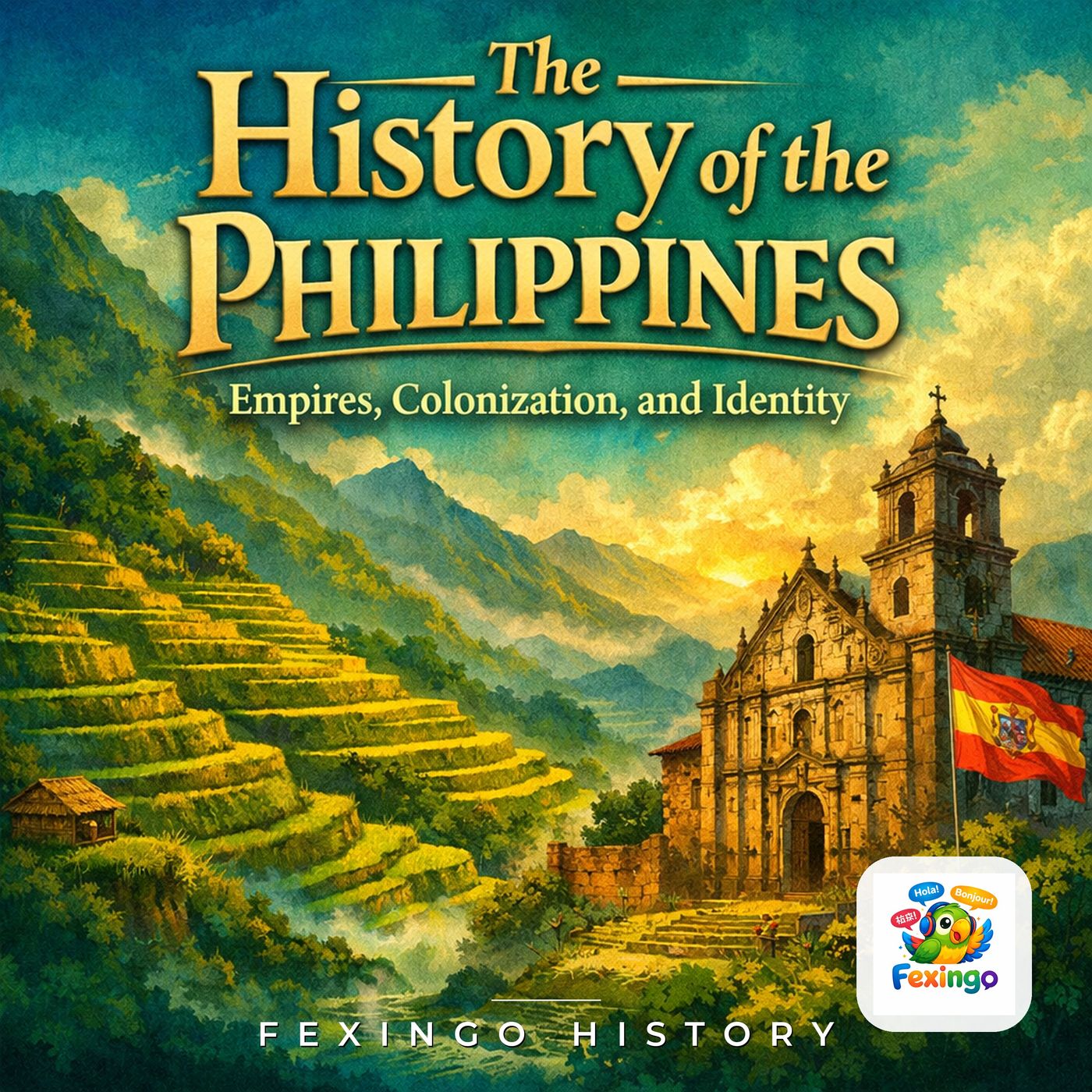 The History of the Philippines: Empires, Colonization, and Identity — Fexingo History25 tracks · Track 9
The Philippine archipelago is a palimpsest of migrations, empires, and resistance. From the Austrone...
→More By Fexingo...








You may also like