NewMusic

 TRACK
Sound
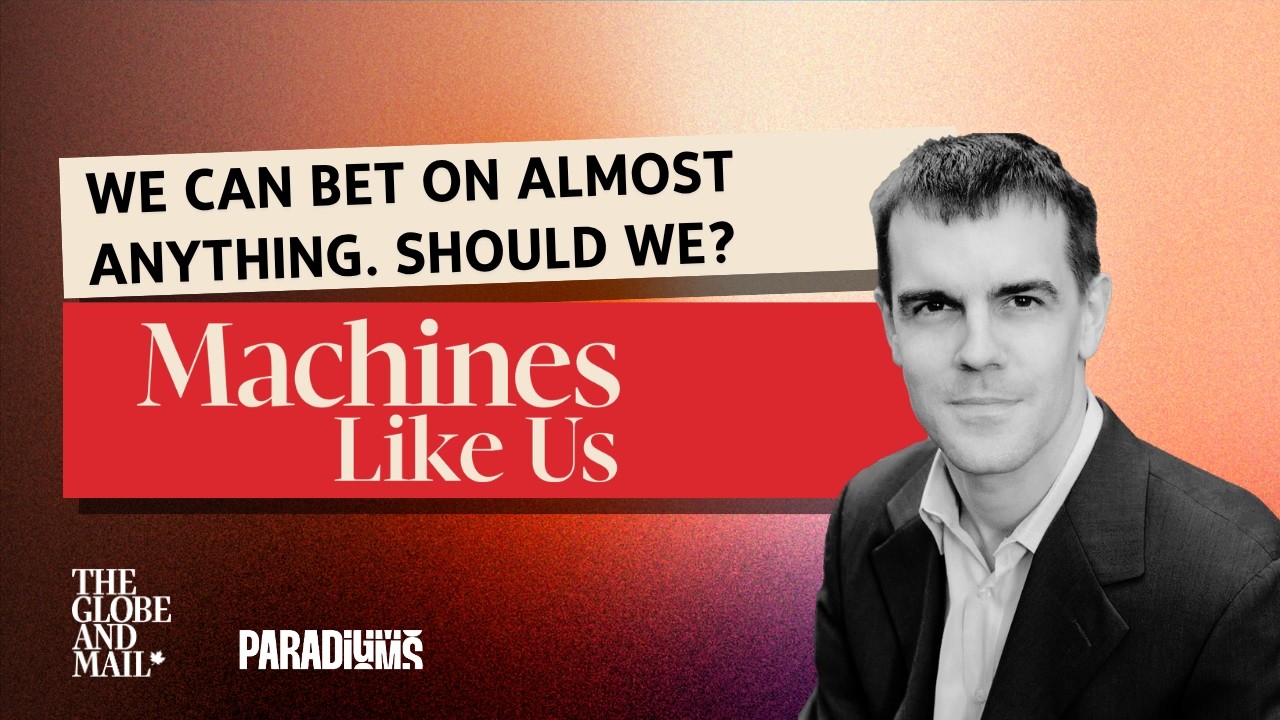
We Can Now Bet on Almost Anything. Should We? (James Surowiecki)
ابراهيم خديجة
53:15 duration0 plays0 favoritesMedium quality
Play now
About this track
Human beings have always loved to gamble. Archaeological records suggest we’ve been doing it for the last 12,000 years, since the end of the last Ice Age. But for as long as we’ve been playing games of chance, we’ve worried about what they might be doing to us. For thousands of years, everyone from Aristotle to George Washington condemned gambling, an ancient anxiety that ran so deep it became something like a moral consensus. And then that consensus evaporated. In the span of a decade, both Canada and the US legalized sports betting. Now anyone with a smartphone and a credit card can wager on basketball, hockey, or American cornhole. But it turned out that was just the beginning. A few years later came “prediction markets” like Kalshi and Polymarket that let you bet on, well, just about anything: whether the US will invade Cuba, the odds of James Comey being sent to prison, and whether Jesus Christ will return before 2027. That last one, by the way, is currently sitting at 3% on Polymarket. If betting on missile strikes, military coups, and political prosecutions feels kind of gross, I’m with you. But James Surowiecki thinks we should give prediction markets a chance. Surowiecki is the author of The Wisdom of Crowds, a book he wrote more than 20 years ago, where he argued that large groups of ordinary people are actually better than experts at making predictions. It’s become something of a foundational text for these markets: the idea that they can crowdsource knowledge, aggregate what millions of people believe about the future, and use that signal to make better decisions. So I wanted to have James on to make the case for prediction markets, and to see if he could make me feel just a little less squeamish about a world where you can gamble on everything. Mentioned The Wisdom of Crowds, by James Surowiecki (Doubleday, 2004). • Francis Galton, “Vox Populi,” Nature 75 (1907): 450–451 — the ox-weighing experiment. The 1986 Challenger disaster and Morton Thiokol’s stock: Maloney & Mulherin, “The complexity of p
From the album
 The Globe and Mail43 tracks · Track 35
News that shapes Canada and our world. The Globe was created in 1844 by George Brown, and in 1936 ...
→You may also like