NewMusic

 TRACK
Sound
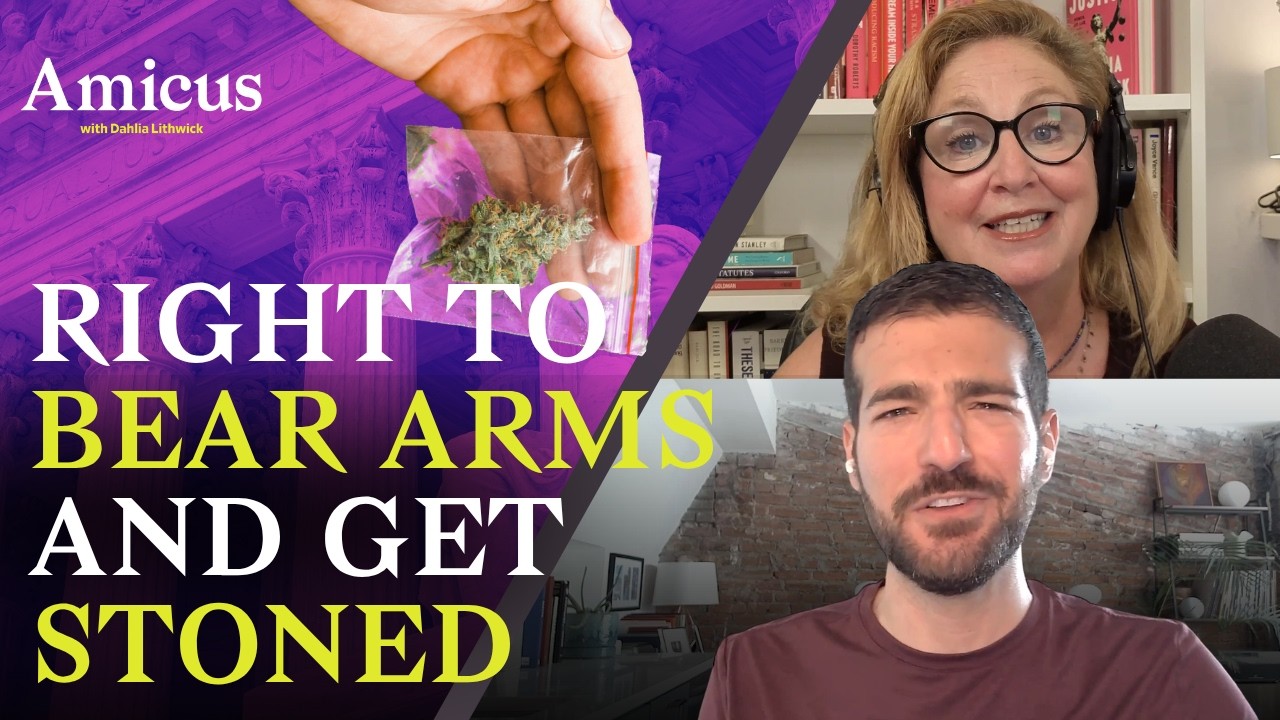
What SCOTUS' Weed-Friendly Interpretation of History Means For Gun Laws
ahmedlakiss❤🥵
13:59 duration0 plays0 favoritesMedium quality
Play now
About this track
Want more Amicus? Join Slate Plus to unlock weekly bonus episodes with exclusive legal analysis. Plus, you’ll access ad-free listening across all your favorite Slate podcasts. Join at slate.com/youtubeplus?utm_source=youtube&utm_medium=link&utm_content=Amicus&utm_campaign=show_description&tpcc=youtube-link-show_description-Amicus This is part of Opinionpalooza, Slate’s coverage of the major decisions from the Supreme Court. Join Slate Plus to unlock weekly bonus episodes with exclusive legal analysis. Plus, you’ll access ad-free listening across all your favorite Slate podcasts. Visit slate.com/amicusplus to get access wherever you listen. The Supreme Court handed down a unanimous ruling this week in United States v. Hemani, holding that a marijuana user cannot be stripped of his Second Amendment right to own a firearm simply because he sometimes uses cannabis. Justice Neil Gorsuch wrote the majority opinion, leaning heavily on the founders' own well-documented love of alcohol to argue that responsible substance use has never historically disqualified Americans from bearing arms. Dahlia Lithwick and Mark Joseph Stern unpack the ruling, note what it does not settle about the still-murky Bruen test, and reflect on how dramatically the justices’ posture toward marijuana has shifted since the "Bong Hits for Jesus" case they decided less than two decades ago. Podcast production by Sara Burningham and Sophie Summergrad // Video production by Micah Phillips
From the album
 Slate44 tracks · Track 32
Analysis and insight on the day's biggest stories from Slate. Featuring the best of our award-winnin...
→You may also like